The Southern Oscillation event is
likely to be the strongest since 1997-98 claims a new update from the World
Meteorological Organisation.
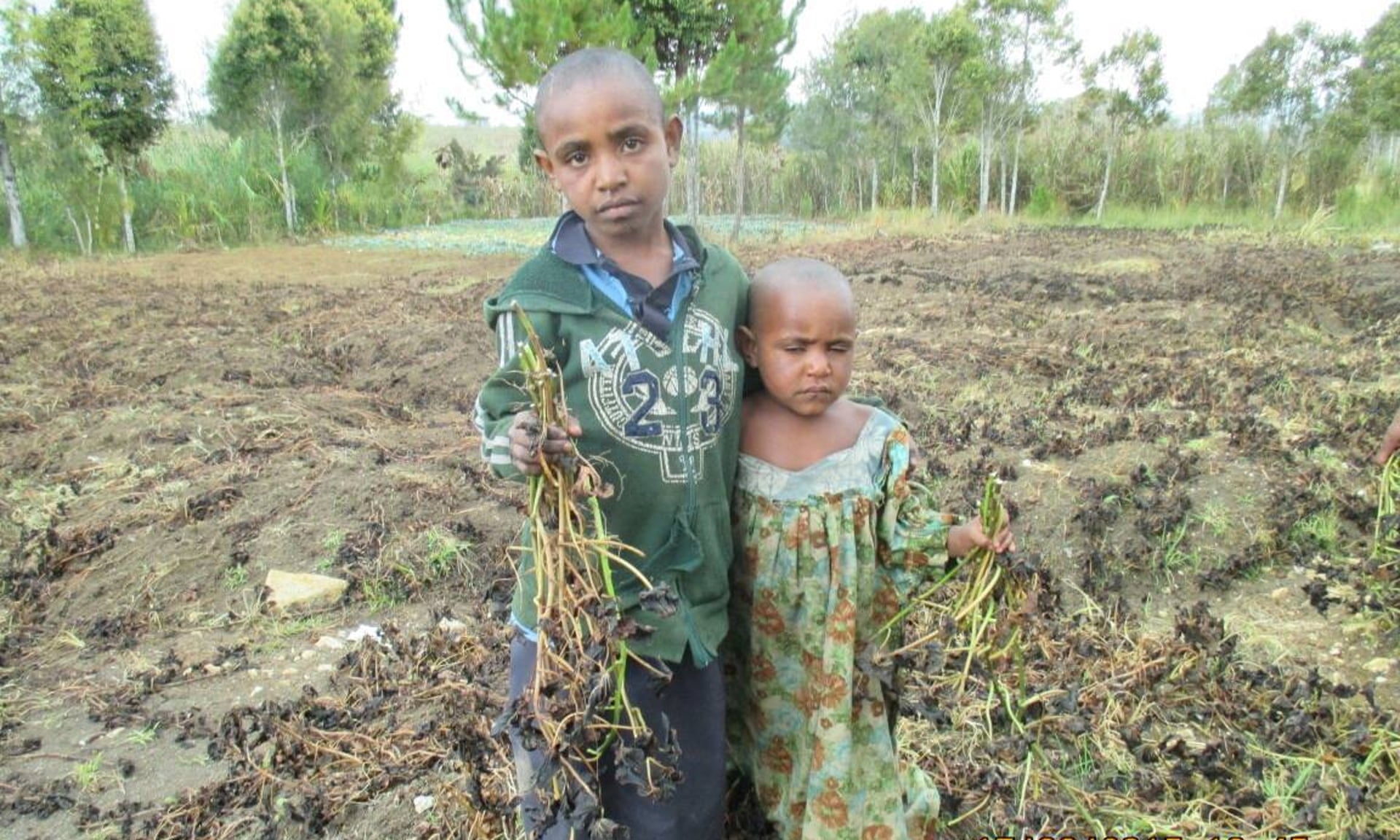 |
| Children at Algi Village in Papua New Guinea could experience some of the worst droughts in almost 20 years. Photograph: AAP/Care |
A
recent report from Oxfam
outlines the devastating impacts of this on the water cycle. 4.5 million people
in Ethiopia are already in need of food aid due to successive drought periods
over the last year. In addition to this, countries such as Zimbabwe have seen a
35% decrease in their maize harvest period. This is predicted to impact up to 1.5
million people by early 2016. Unfortunately, it has been
reported that 24 people have already died of starvation in Papua New Guinea due to droughts in the Highlands region.
Could this have been prevented?
Oxfam suggests that
meteorologists and international agencies have provided sufficient warning of
El Niño and that if governments had been better prepared, then international
emergencies like this could be avoided. Compared to 15 years ago, we are more prepared
to deal with these disasters, however with a changing climate it is proving
difficult to determine the true extent of such events. Director of the World Meteorological Organisation,
David Carlson,
explains how the recent changes in the climate system makes El Niño
difficult to understand:
“We have had years of record
Arctic sea ice minimum. We have lost a massive area of northern hemisphere snow
cover, probably by more than 1 million square kilometres in the past 15 years.
We are working on a different planet and we fully do not understand the new
patterns emerging."
With Paris on the horizon, it will
be interesting to see how countries commit to tackling such uncertainties.

